text: Alika Pikhtereva photo: Viktoriia Plis
A few years ago, together with the head of the NGO Decolonization. Ukraine, Vadym Pozdniakov, we organized a video walk around the city center. Almost every 300–500 meters, we stopped near sites that needed change or removal. Memorial plaques to KGB figures, hammer-and-sickle symbols, Russian-language signs, and so on.
This year, we tried to map out a similar route — and couldn’t. That says a lot: the process is ongoing. There are still streets and sites that need derussification, but now these are local, not systemic issues. Overall, Pozdniakov says, Kharkiv is not lagging behind in decolonization. There’s less work left here than in Kyiv or Odesa, for example. Though neighboring Poltava is shedding Soviet and imperial markers even faster.
According to Vadym, before the full-scale war, decolonization in the regions was mostly superficial. In smaller towns, it was usually cosmetic. Streets were renamed, but indicators didn’t change, and monuments with Soviet symbols remained in place.
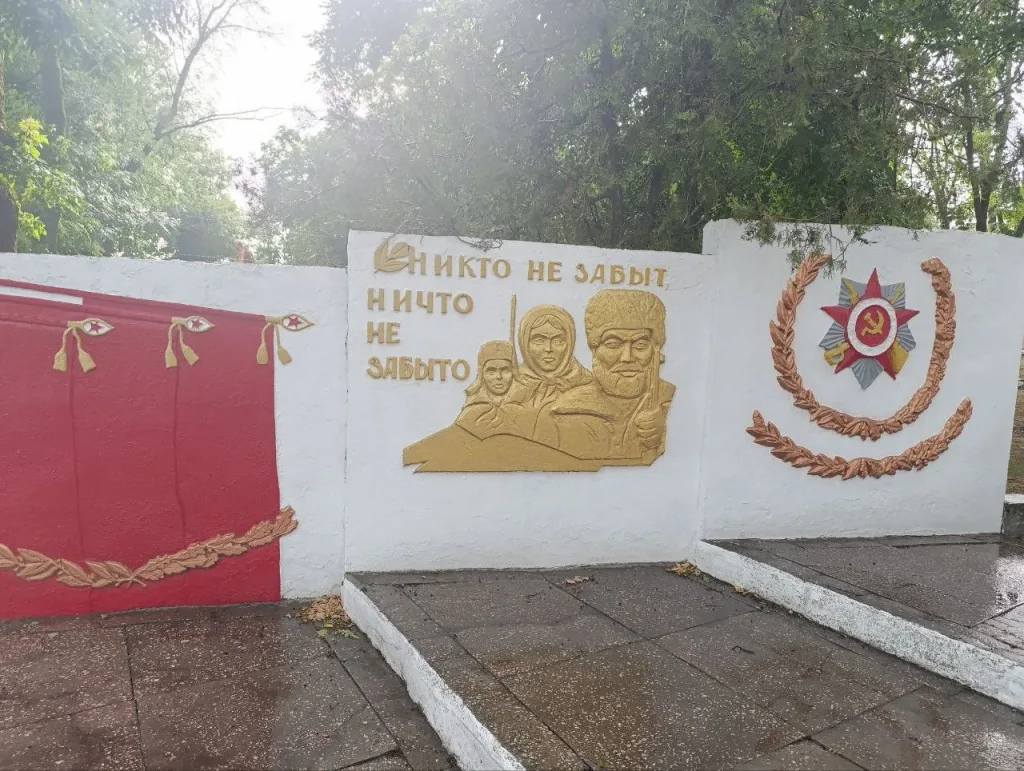
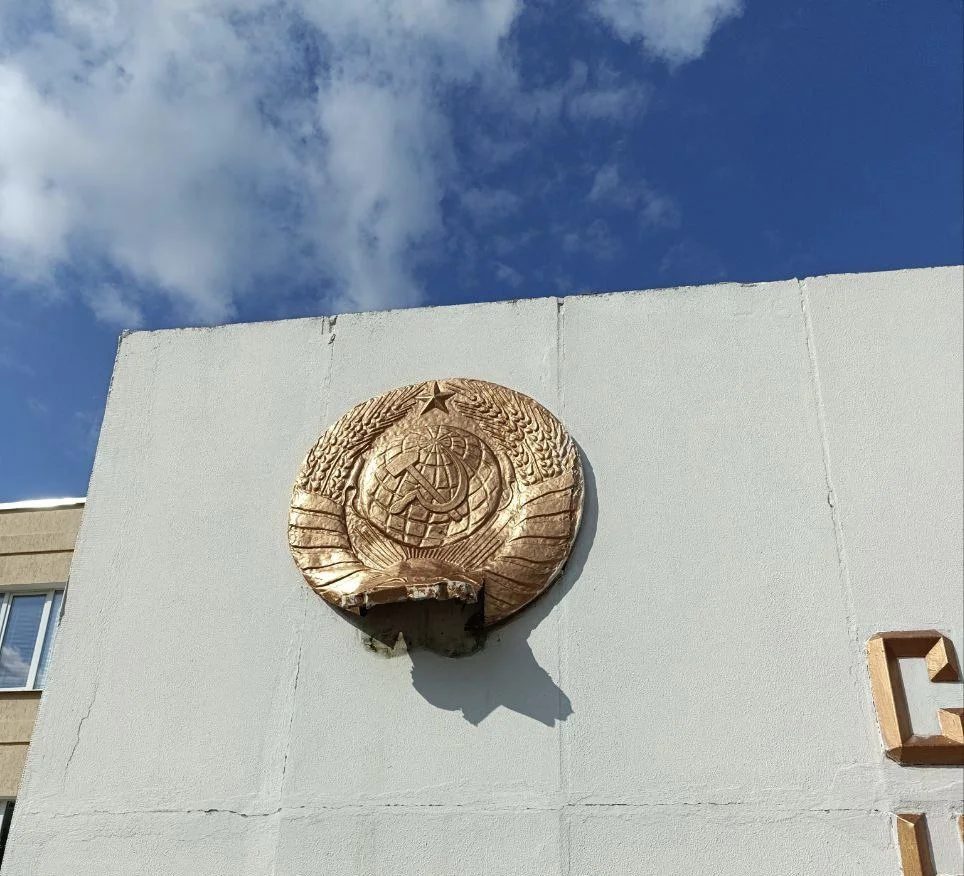
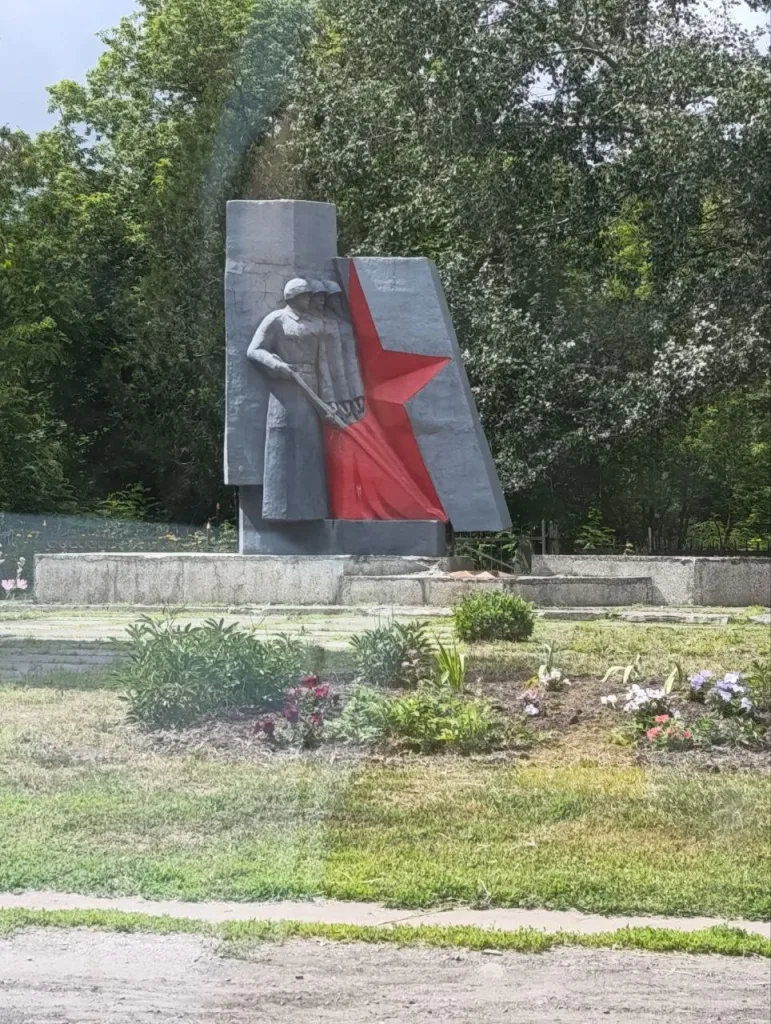
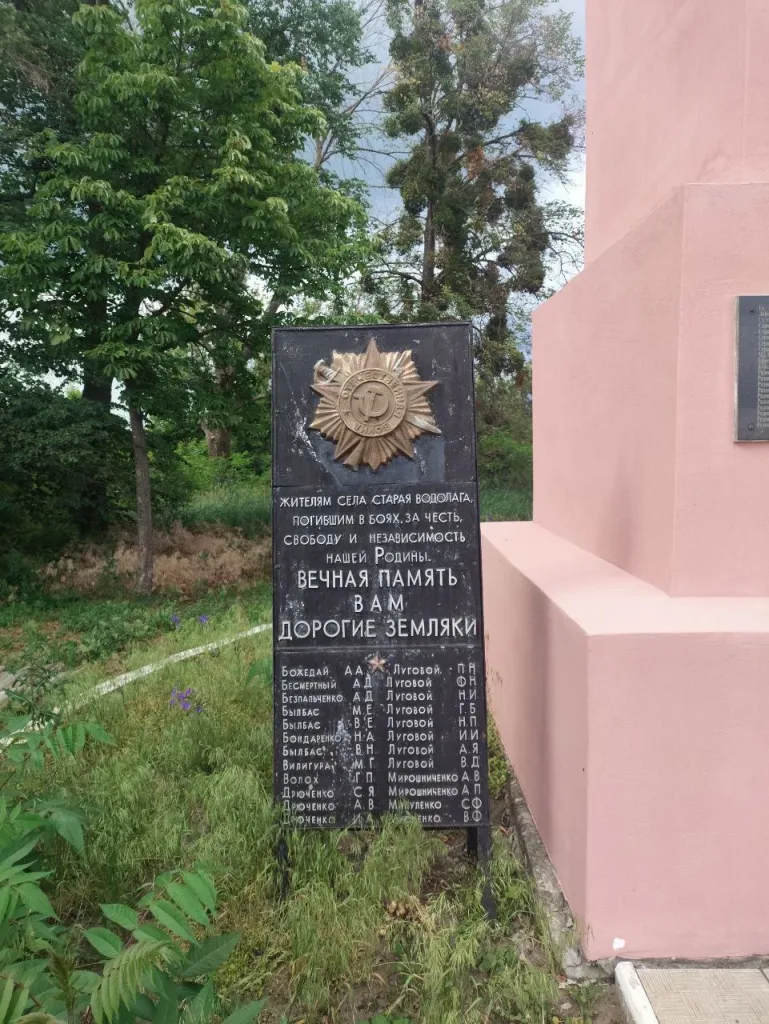
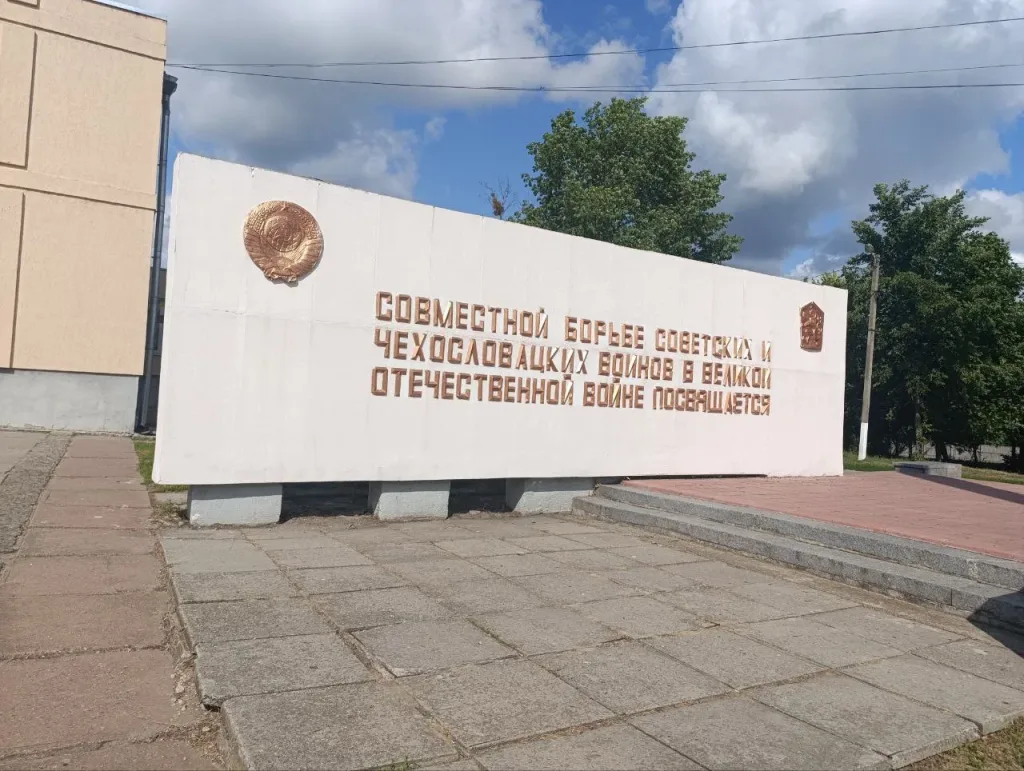
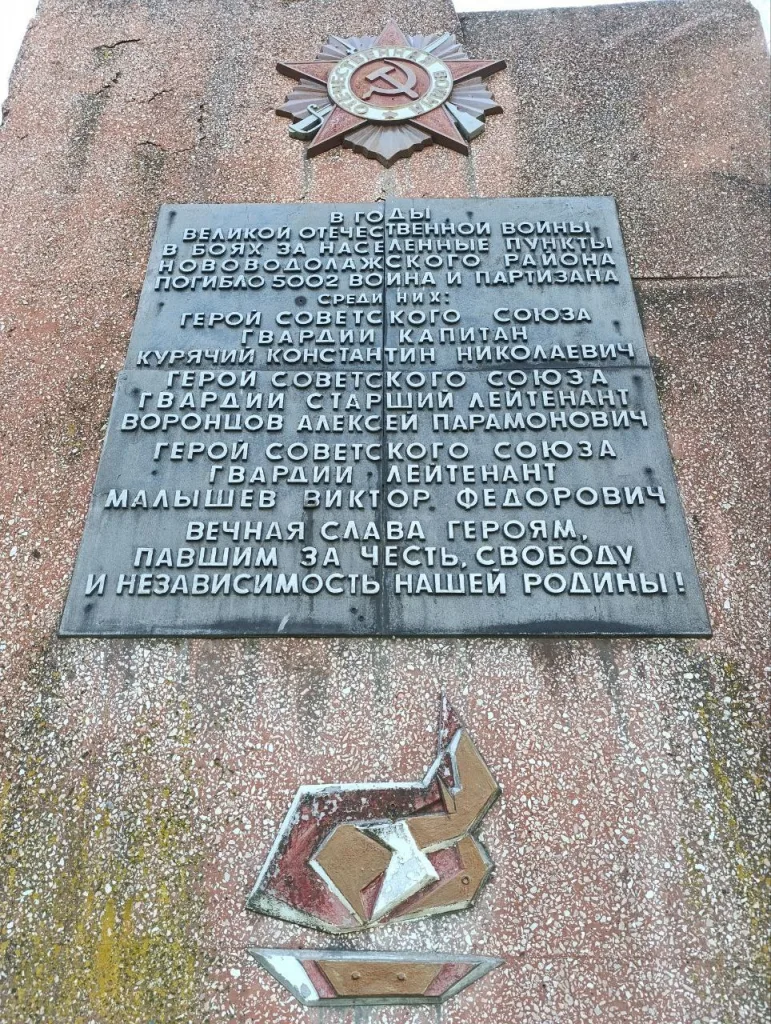
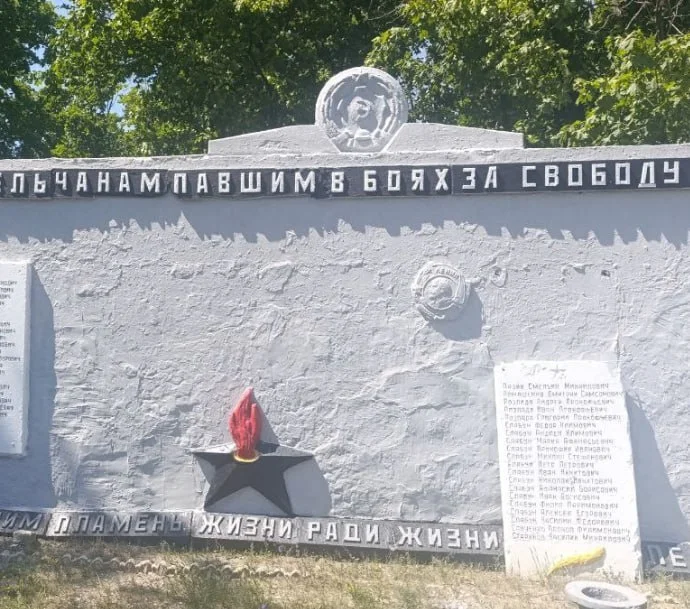
“This year, a law on the principles of state policy on national memory was adopted. On the bright side, it extends the anti-sabotage mechanism for another year. Local governments and regional administrations again have time for official decolonization. On the downside, the law gave the Ukrainian Institute of National Memory a month to provide lists of who falls under it and who doesn’t. The first lists are already out — and there are questions. A lot of people ended up there who never said anything clearly good or bad about Ukraine. So why does Kharkiv need a street or a metro station named after Academician Pavlov?” Pozdniakov says.
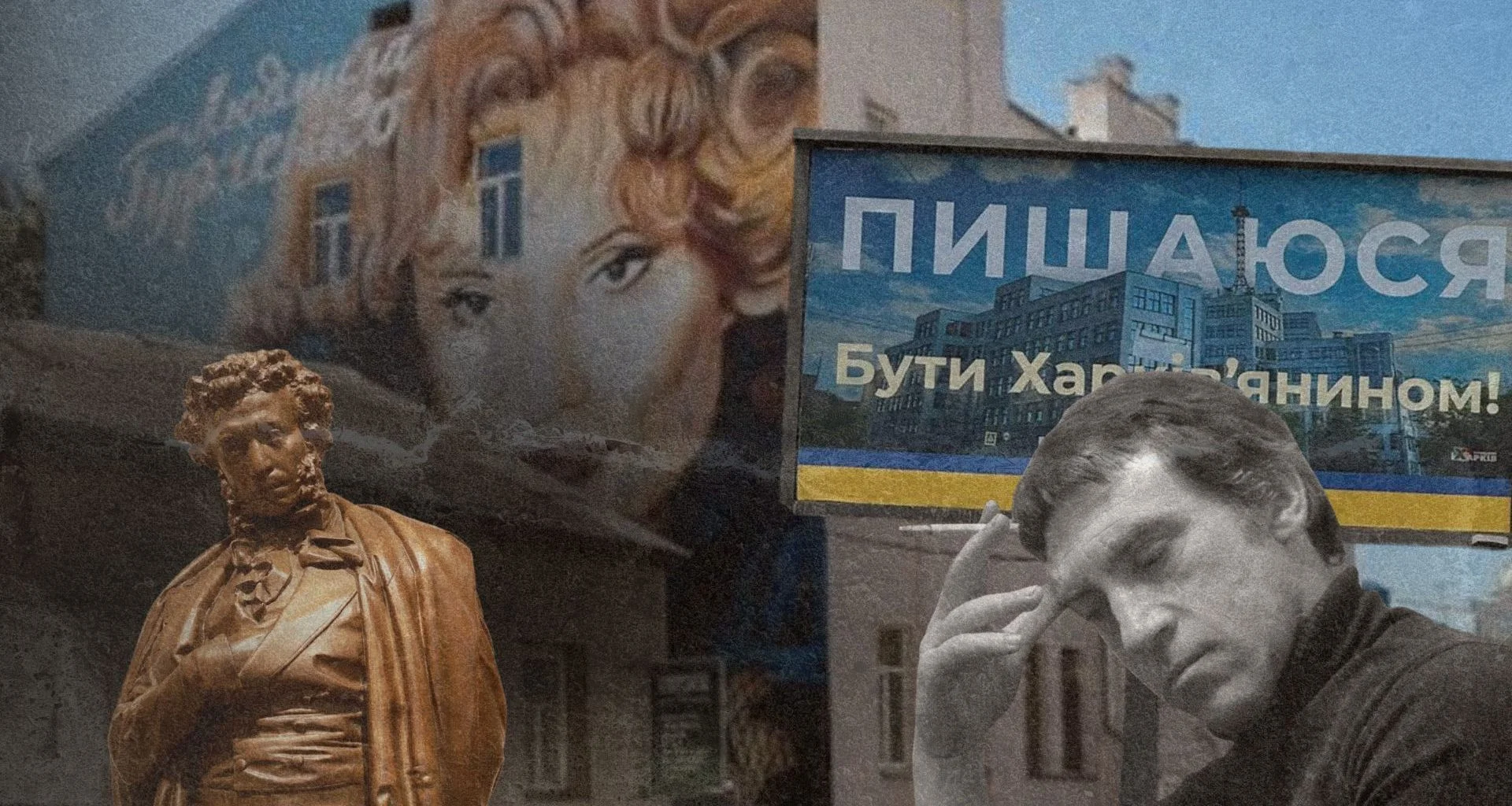
Renaming the metro station “Akademika Pavlova” is one of the more sensitive issues. There is now a proposal to name it after Vasyl Stus. To keep costs down, it would be enough to change the name and replace the signs, leaving design updates until after the war. He also recalls that the “23 Serpnia” station is being proposed for renaming to “Pavlove Pole.”
Another contentious issue is the monument to Vladimir Vysotsky. The sculpture of the bard near the climbing wall by the Palace of Sports was installed in 2013. It shows the singer with a guitar against a crumpled sheet of poetry. City authorities and the Ukrainian Institute of National Memory see no legal grounds for dismantling it, since it contains no explicit communist or imperial symbols. And Vysotsky himself was not, strictly speaking, an outspoken Ukrainophobe or imperialist under the decommunization law.
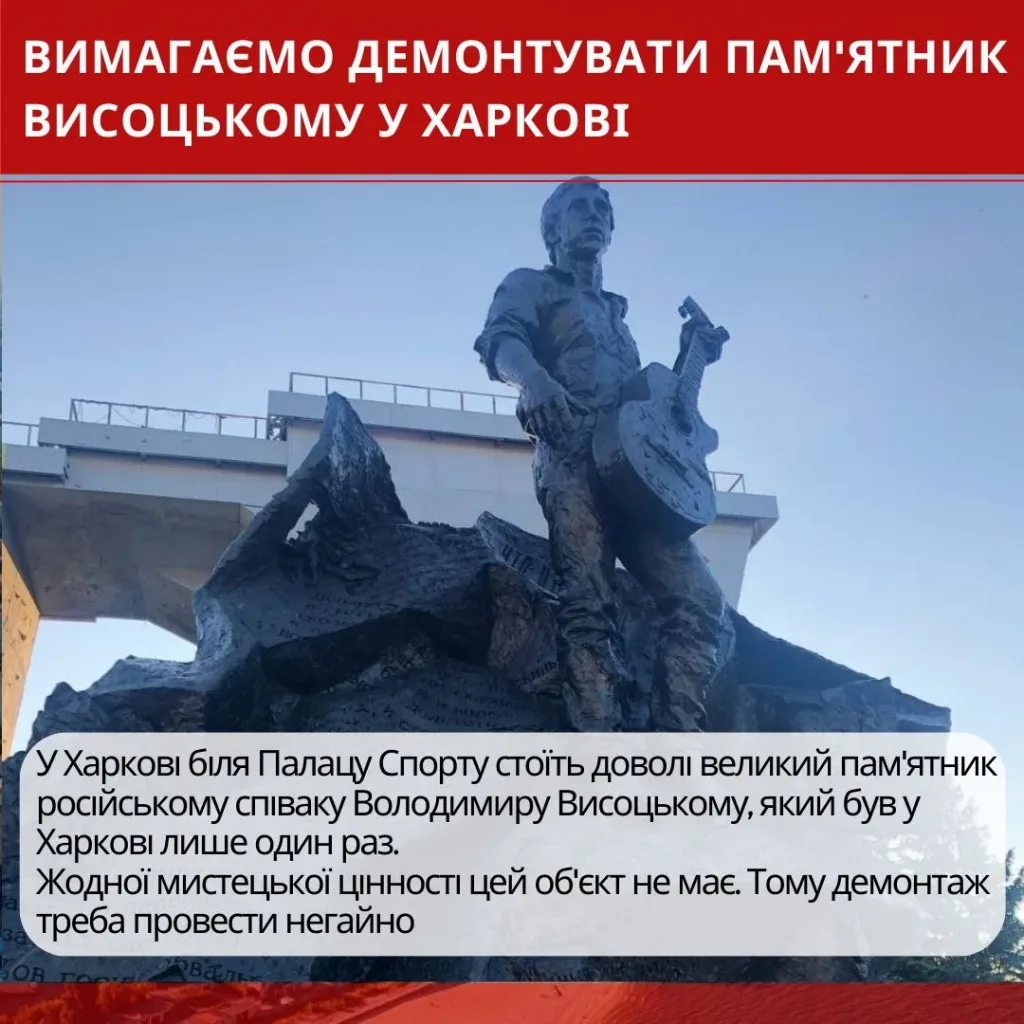
Text on the picture:
WE DEMAND THE DISMANTLING OF THE VYSOTSKY MONUMENT IN KHARKIV
In Kharkiv, near the Palace of Sports, there stands a fairly large monument to the Russian singer Vladimir Vysotsky, who visited Kharkiv only once.
This object has no artistic value whatsoever.
Therefore, it must be dismantled immediately.
“There are a few figures who weren’t just neutral toward Ukraine — they were even friends. These are rare cases. But we’re talking about public monumental space, about toponymy. Did we ever see Vysotsky speak in support of Ukrainian independence, or defend Ukrainian dissidents? We will build our own pantheon. Spears will still be broken. There will be debates—some constructive, some not. But we’ll sort it out among ourselves, as Ukrainians. As for Russians — send them after the warship. What did Vysotsky do to deserve a monument in Kharkiv? Nothing at all. We don’t even have monuments to Mykola Mikhnovsky, Yurii Shevelov, or Maik Yohansen,” Pozdniakov says.
This naturally raises the question of how to remember the work of Lyudmila Gurchenko — an actress who built her career in moscow but was born and raised in Kharkiv. The city has her monument, a mural, and a memorial plaque at her school.
What did Gurchenko contribute to Ukrainian culture? How will her legacy be perceived in 20 years, when soviet-era sussian-language films are no longer routinely shown on TV? And if her work cannot be discussed outside a russian context, what exactly should remain in Ukrainian cultural memory?
“A debate will come. We remember how she felt about Kharkiv — she didn’t like the city much, saw it as provincial. She worked in moscow, for moscow, and died there. Independence was hard for her to accept, she spoke about ‘one people.’ A person who devoted her life to russian-soviet culture will look out of place in a city where Mykola Khvylovy, Mikhnovsky, Shevelov, and others are properly honored. The same goes for Vysotsky. Once we have monuments to our own cultural figures, people will ask: ‘What are they doing here?’ That question is already being asked, just not by everyone,” Pozdniakov notes.
One pressing issue is the date of City Day. It has long been tied, in soviet tradition, to August 23 — the supposed “liberation” of the city from Nazi occupation. In reality, that happened later. While moscow held a celebratory salute on August 23, 1943, key areas like the Nova Bavaria railway station and the Chervonobavarskyi district were only liberated on August 29. Fighting continued in some streets even after that.
In recent years, more and more voices have called for moving City Day to another date. The community—patriotic groups, historians, cultural researchers, decolonization advocates — all of them see August 23 as a questionable choice. It draws attention away from the Day of the National Flag and Independence Day of Ukraine. Pozdniakov agrees: Kharkiv has “matured” to the point where it can choose a new date — one that is historically and logically grounded.
Learn more in the full conversation.