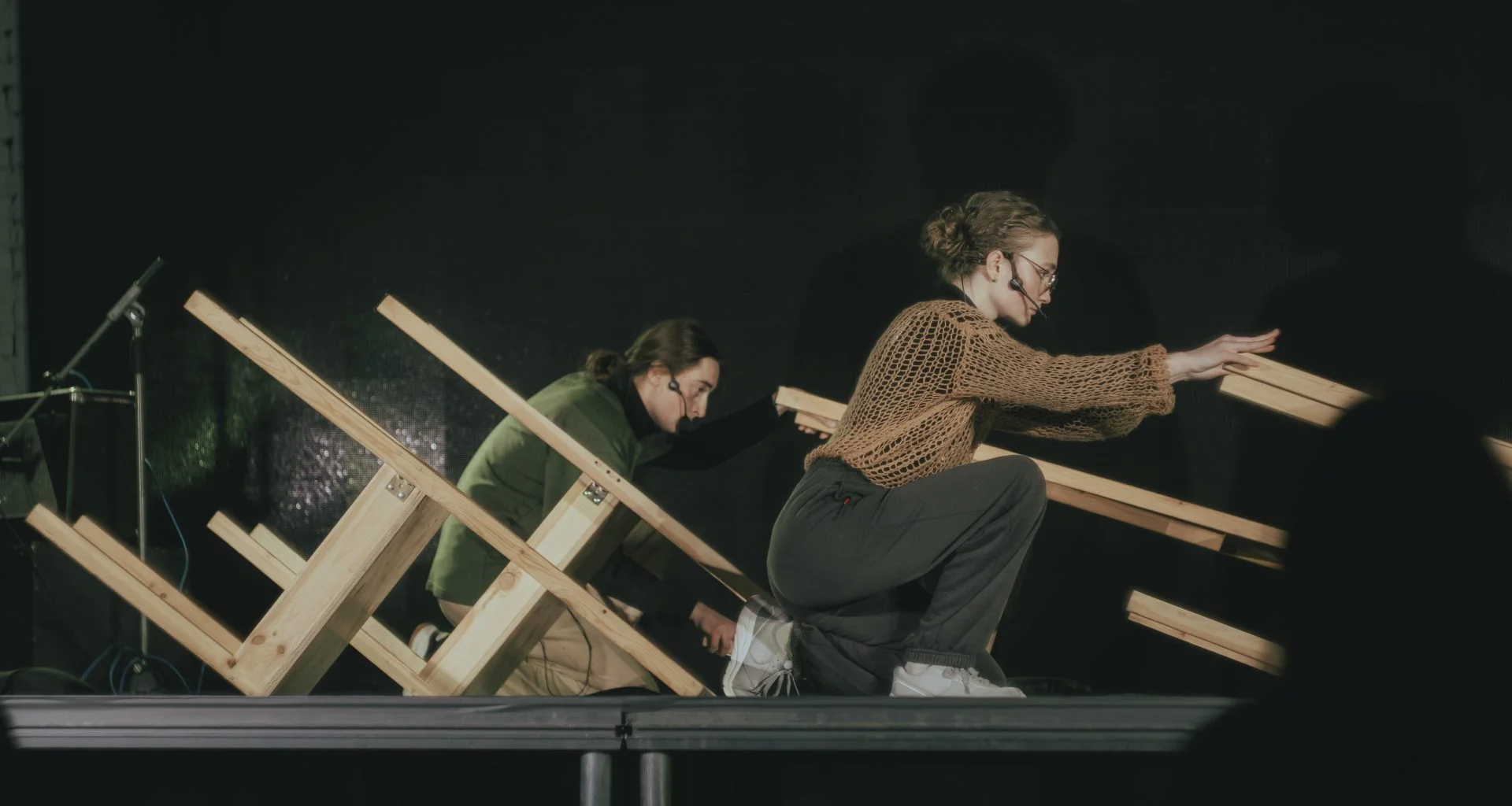
This autumn, Kharkiv hosted a festival of first plays. The format of staged readings, largely forgotten in our city, was revived through a collaboration between Nafta Theatre and Kyiv’s Veterans Theatre. The plays were written by military personnel, veterans, and volunteers. Over the course of several months, they studied diligently, demonstrating both talent and a desire to frame their reflections on lived experience within artistic narratives. Graphomania is not tolerated here. This is not a rehabilitation or therapy program, although a therapeutic effect is certainly present.
Before the reading at the Nakypilo studio, we met with the co-founders of the Veterans Theatre: Yevhen Maliukevych, Yurii Matsarskyi, and Maksym Devizorov.
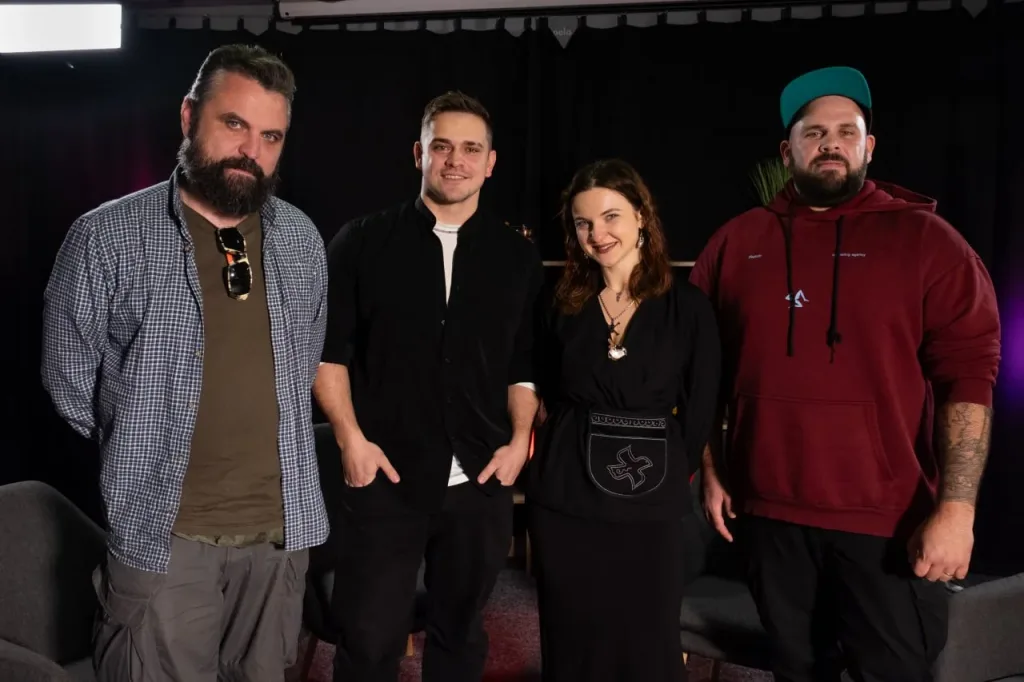
The idea of creating such a theatre is unique, even though wars have been fought for centuries. For Ukraine, however, this is the first systematic, multi-layered structure where veterans can perform on stage, learn to write plays, participate in readings themselves, develop professionally, make their voices heard at festivals, and eventually teach others.
The theatre’s founders say that artistic value and the absence of exploitation are crucial to them. In addition to ensuring that the world sees the war in Ukraine through the eyes of its defenders, the creators of the theatre are searching for people who can become transmitters of this experience. The goal is to amplify these voices and reduce the distance between the worlds of military personnel and civilians.
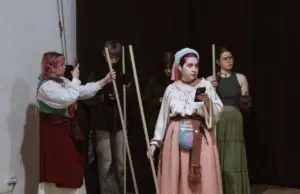
Some theatres have already added veterans’ plays to their repertoires. In Kharkiv, the process began with staged readings. Directors and actors from Nafta Theatre worked on four plays: Balance by Alina Sarnatska, The Dragon’s Strike by Hennadii Udovenko, 21 by Olha Murashko, and Ahmed, Me, and the Prophet Elijah by Yurii Matsarskyi.
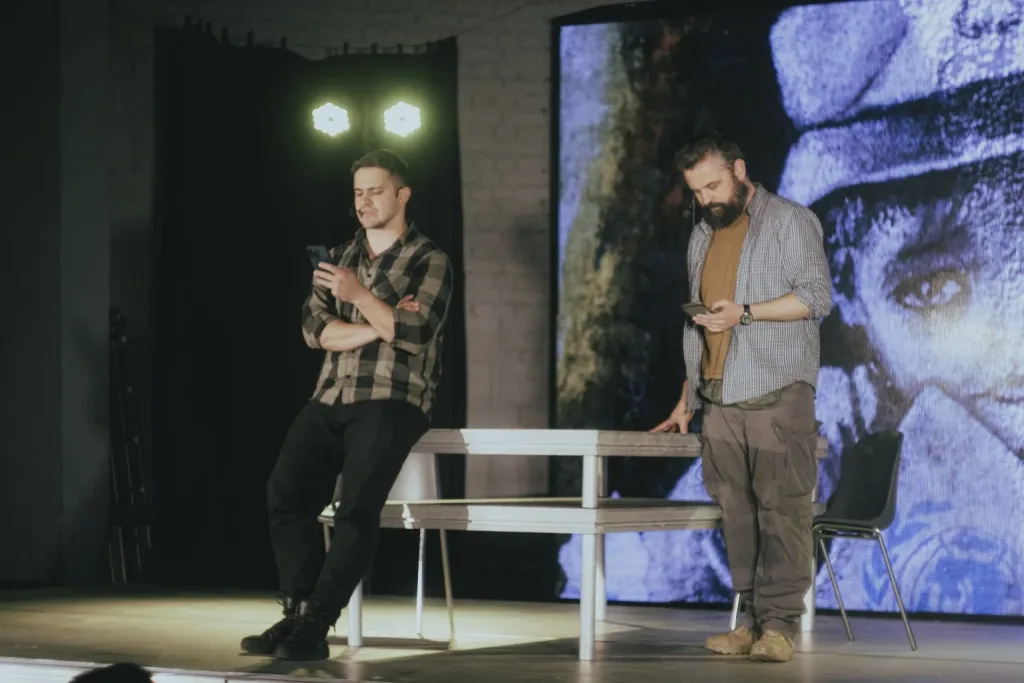
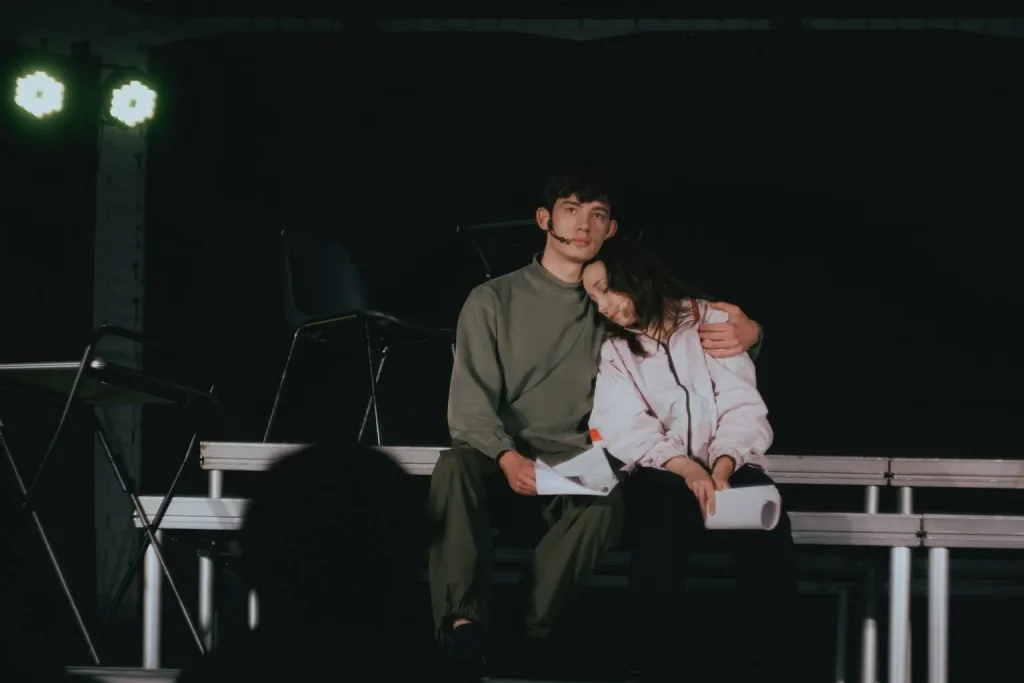
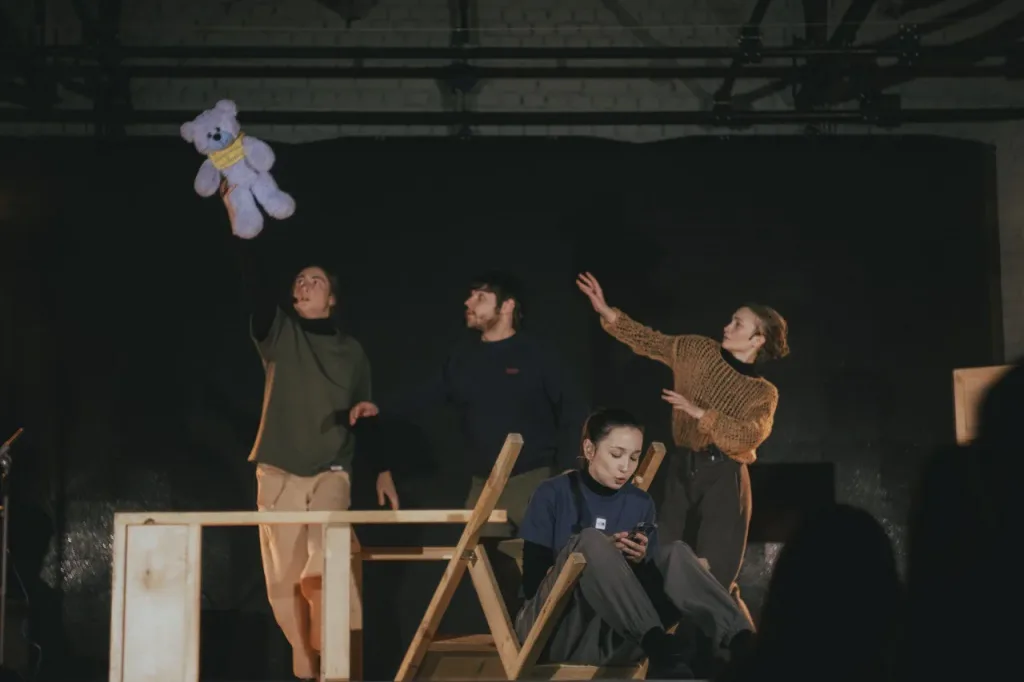
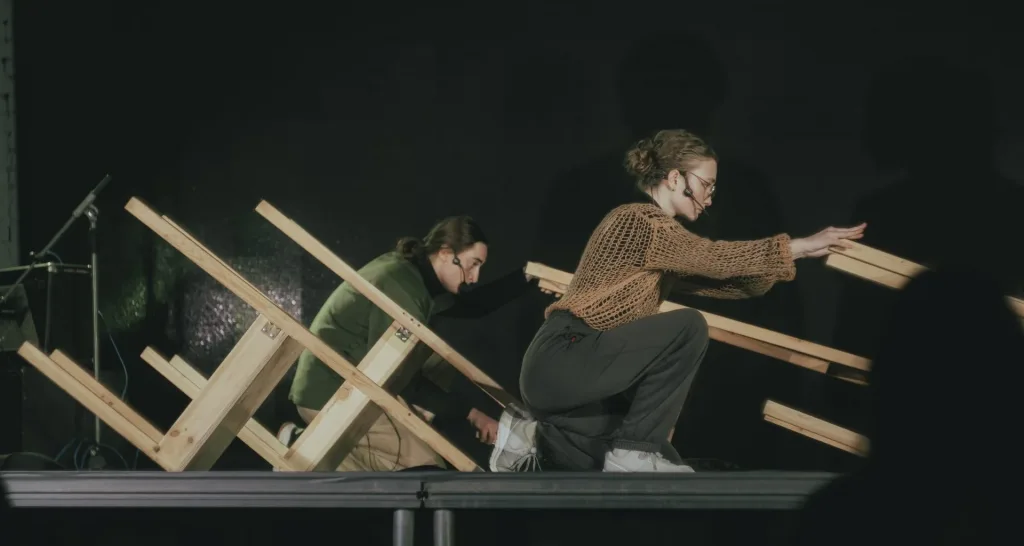
As part of the project, audio versions of the plays were recorded and can be listened to on Nakypilo Radio.
Each reading of the dramas was received by a full audience with deep emotion. We should note that the plays contain profanity, emotionally intense moments, and themes that may evoke memories and feelings of anxiety. Please keep this in mind, especially if children are nearby or if you yourself are in a vulnerable emotional state.
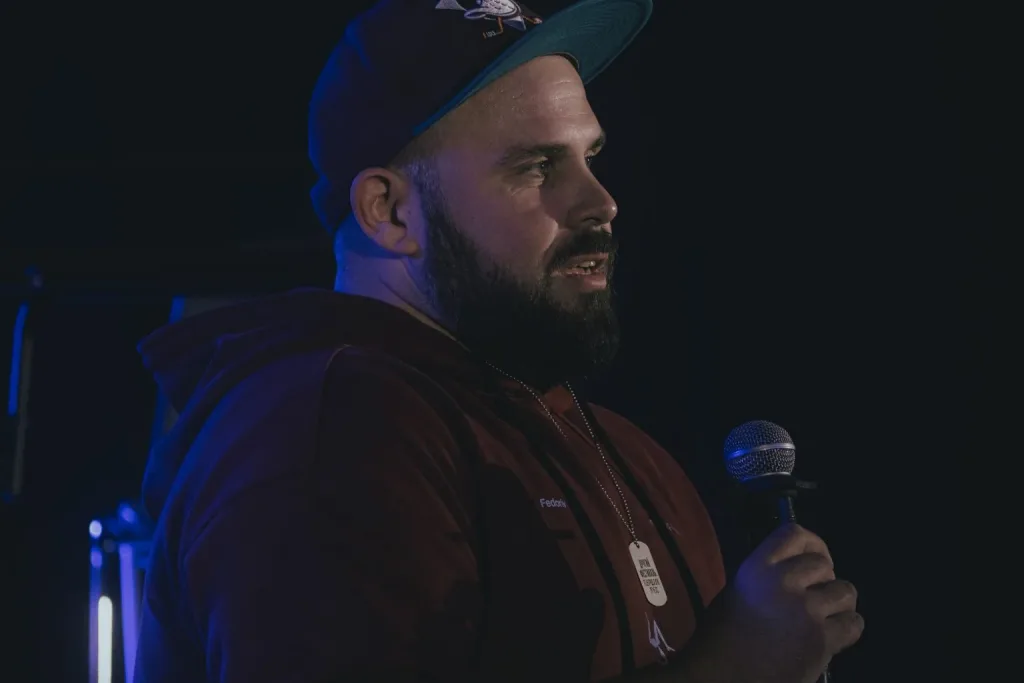
“Veterans Theatre was created by the Communications Department of the Territorial Defense Forces Command — TDF Media. It seems to me that the Territorial Defense Forces are a phenomenon in themselves. The most motivated people joined them. Perhaps that is why these people do not remain silent. Instead, they transform their experiences and reflections into literature. Each of us has a million stories about those we served alongside. Among my brothers-in-arms were IT specialists, professors, and writers of both children’s and adult literature. People from very different backgrounds joined up. That is why it eventually became a product in the form of literary texts,” says Yevhen Maliukevych.
The plans include establishing branches in different regions and continuing cooperation with theatres across the country. It is worth noting that Kharkiv director Nina Khyzhna is currently working on veteran Alina Sarnatska’s play Periods at the Young Theatre in Kyiv. Tickets for the first performances have already sold out.
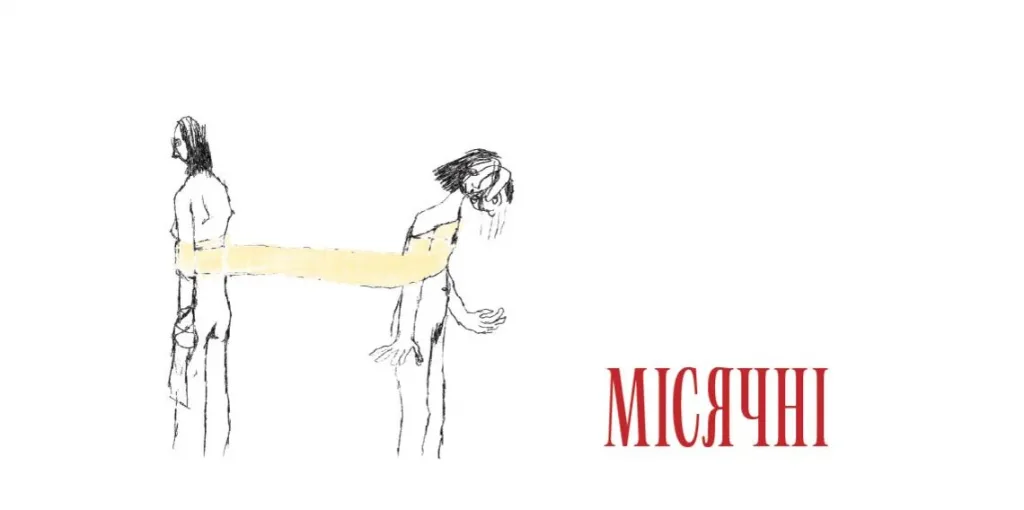
Recently, another of Sarnatska’s plays, Balance, found itself at the center of a controversy. During the so-called contemporary drama festival Dnipro.Theatre:UA, employees of the Taras Shevchenko Dnipro National Academic Ukrainian Music and Drama Theatre were outraged by the presence of profanity in the text. It also came as an unpleasant surprise to some audience members, including several priests. Theatre staff addressed their colleagues across Ukraine with an open letter.
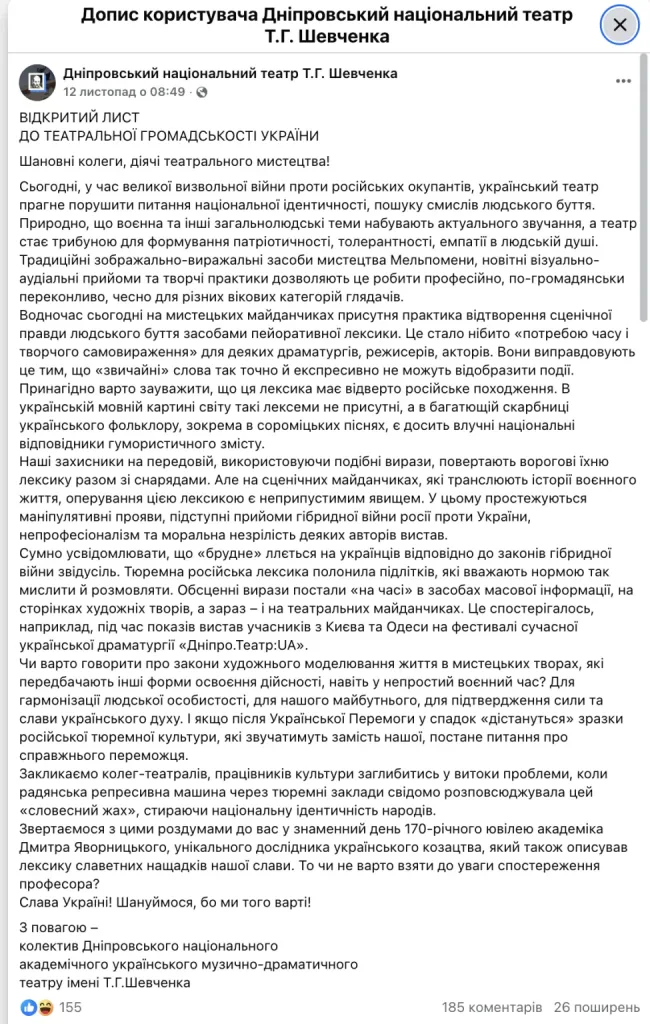
Translation of the text from the screenshot:
OPEN LETTER TO THE THEATRICAL COMMUNITY OF UKRAINE
Dear colleagues and figures of the theatrical arts,
Today, as in the great liberation war against the Russian occupiers, Ukrainian theatre seeks to raise issues of national identity and the search for the meaning of human existence. Nature, war, and other universal human themes acquire renewed relevance, while theatre becomes a platform for shaping patriotism, tolerance, empathy, and human dignity.
Traditional representational and expressive means of Melpomene’s art, along with the latest visual and audiovisual techniques and artistic practices, make it possible to achieve this professionally, persuasively, honestly, and appropriately for audiences of different ages.
At the same time, today artistic platforms increasingly feature the practice of reproducing the reality of human life through pejorative language. For some playwrights, directors, and actors, this has seemingly become “a necessity of the times and a means of creative self-expression.” They justify it by claiming that “otherwise” words and expressions cannot reflect reality.
It should be noted that this vocabulary is openly of Russian origin. The Ukrainian language lacks such lexical units, whereas Ukrainian folklore, including humorous songs, contains many expressive national equivalents with humorous content.
Our defenders on the front line, using similar expressions, return the enemy’s vocabulary together with the shells. Yet on theatrical stages that depict stories of wartime life, the use of such language is an unacceptable phenomenon. In this way, manipulative practices, covert methods of Russia’s hybrid war against Ukraine, and the unprofessionalism and moral immaturity of some authors and productions are traced.
It is painful to realize that this “filth” is being introduced into Ukrainian life in accordance with the laws of hybrid warfare from the neighboring state. Prison slang of Russian origin has flooded adolescents, who regard it as the norm and imitate it in speech. Obscene expressions have long appeared in mass media and on the pages of literary works, and now they have reached theatrical stages. This was observed, for example, during the performances of participants from Kyiv and Odesa at the festival of contemporary Ukrainian drama “Dnipro.Theatre:UA”.
Should forms of artistic reflection of reality that foresee such means of expression be promoted, even during the difficult period of war? For the harmonious development of personality, for our future, and for the support and glory of the Ukrainian spirit. If, after Ukraine’s Victory, what remains as an inheritance are examples of Russian prison culture sounding in place of our own traditions, questions about the true meaning of victory will arise.
We call upon fellow theatre professionals and cultural workers to delve into the roots of this problem. During Soviet times, the authorities deliberately Russified the “verbal horror” by means of repression, erasing the national identities of peoples.
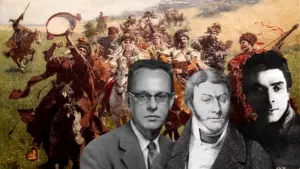
We address these reflections to the renowned 170-year-old academic Dmytro Yavornytskyi, a unique researcher of Ukrainian Cossackdom, who also described the language of the glorious descendants of our glory. Should we not take the professor’s observations into account?
Glory to Ukraine! Let us respect ourselves, because we are worthy of it!
With respect,
The collective of the Taras Shevchenko Dnipro National Academic Ukrainian Music and Drama Theatre
In response, the Veterans Theatre did not lose its composure and organized a workshop titled The Practice of Reproducing Pejorative Language on Stage.
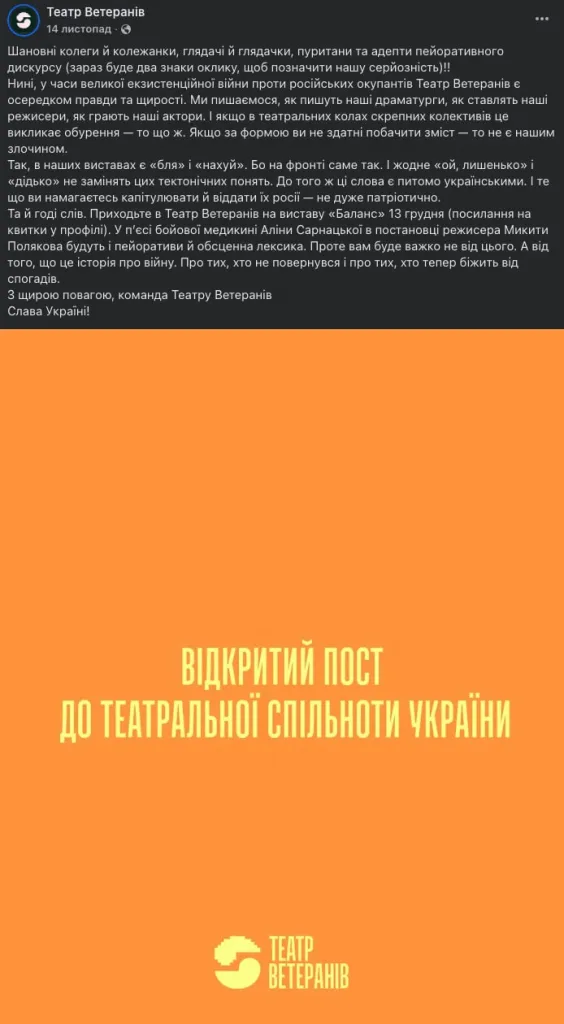
Translation of the text from the screenshot:
OPEN POST TO THE THEATRICAL COMMUNITY OF UKRAINE
Dear colleagues, audience members, puritans, and devotees of pejorative discourse (we’re using two exclamation marks here to emphasize just how serious we are)!!
Today, amid the great existential war against the Russian occupiers, the Veterans Theatre is a space of truth and sincerity. We are proud of the way our playwrights write, the way our directors stage productions, and the way our actors perform. And if this causes outrage in theatrical circles attached to their so-called “traditional values,” then so be it. If you cannot see the meaning behind the form, that is not our crime.
Yes, our productions include words like “blya” and “nahui”. That’s because those are the words people use at the front. No euphemism can replace the emotional force of those expressions. Moreover, these words are native to Ukrainian. And trying to surrender them and hand them over to Russia is hardly patriotic.
Enough talk. Come see the Veterans Theatre production of Balance on December 13 (ticket link in our profile).
The play, written by combat medic Alina Sarnatska, and staged by director Mykyta Poliakov, includes both pejorative and explicit language. But that is not what will be difficult for you.
What will be difficult is that this is a story about war. About those who never returned, and about those who are now running from their memories.
With sincere respect,
The Veterans Theatre Team
Glory to Ukraine!
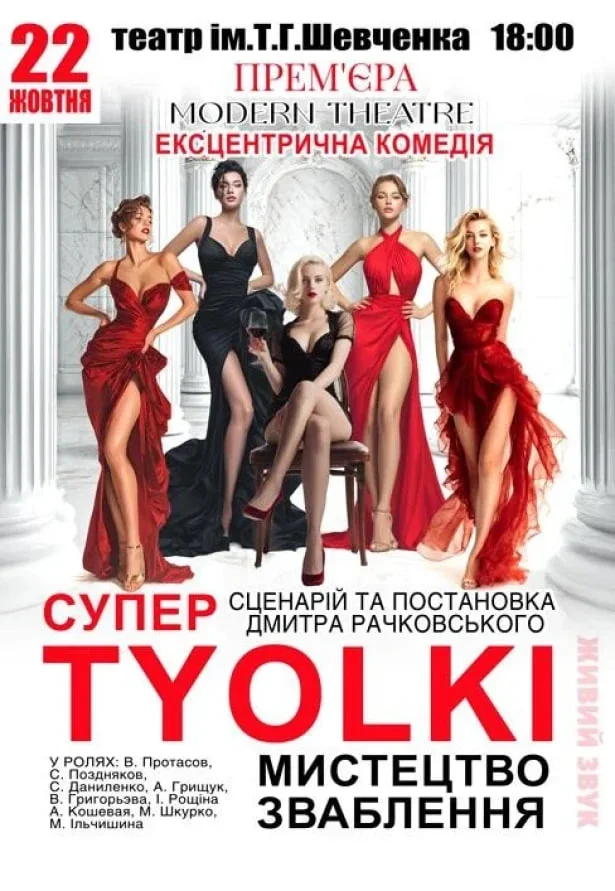
What adds a certain piquancy to the situation is the theatre’s repertoire in Dnipro, which includes the production SuperTYOLKI and the Russian propaganda operetta Wedding in Malynivka. One can trace a certain sentimentality toward Soviet cinema, whose memory is not allowed to die on that theatre’s stage. The cherry on top of this absurdity is that SuperTYOLKI was directed by Dmytro Rachkovskyi, among other things, the founder of the Russian Independent Theatre in Poltava. In 2023, he became embroiled in a scandal over productions based on Bulgakov. He has periodically faced criticism over TYOLKI, though apparently not enough to abandon the production.
Meanwhile, the Veterans Theatre continues doing its work. Every reading is followed by a discussion, because it is important both to hear and to be heard correctly. It should be noted that the discussions in Kharkiv were lively and free of conflict. However, experiences vary.
“We were in Sumy, on what was nearly our first trip with the Festival of First Plays. There was a sixteen-year-old girl in the audience. The play told an emotional story written by our theatre’s friend Kateryna Vyshneva. Maksym Devizorov was reading several roles. Then this girl stood up and said: ‘I didn’t like it at all. I don’t understand why you’re reading all of this.’ And it was genuinely a very emotional story about women waiting for their husbands to return from war.
Our Vyshneva went to speak with her, and they talked for more than forty minutes. It turned out that the girl did not know anyone serving in the military. Her parents were not interested in the subject, and she and her mother talked, roughly speaking, about clothes and TV series. Despite the fact that this was Sumy — a frontline city that is bombed, overflown by aircraft, and where explosions nearby can be heard almost every hour. In the girl’s picture of the world, the war was absent. It existed merely as background noise, somewhere out there. After speaking with Vyshneva, she admitted that she had been wrong and embraced her in tears. Very different people come to these events,” recalls Yurii Matsarskyi.
Before enrolling a new group of playwrights, the theatre announces an open call. Twenty people are accepted, although the number varies. Some may be unable to complete the program because they must return to the war or undergo treatment after injuries. There are already two graduating cohorts. During the course, every participant must write a play. If an author already has a completed work, it does not qualify. The theatre says that all potential participants need is a desire to learn and a love of reading.
“We respect people’s unwillingness or unreadiness to speak about their experiences or trauma. We do not exploit the subject of war or human suffering. That is precisely why everything must happen voluntarily. Somehow, the right people found their way into this project. We have experience both in war and in the creative sphere, so we build relationships based on trust, understanding, and acceptance,” says Maksym Devizorov.